Education, sport, hospitality and AI.
Five complementary investment priorities: private schools, sports academies, hospitality, charter schools and AI education. The physical spaces and the learning technology are different businesses—and each deserves its own operating plan and investment analysis.
Private Schools
Academic environments designed around a school's mission, its learners and its operating model.
Related operator context
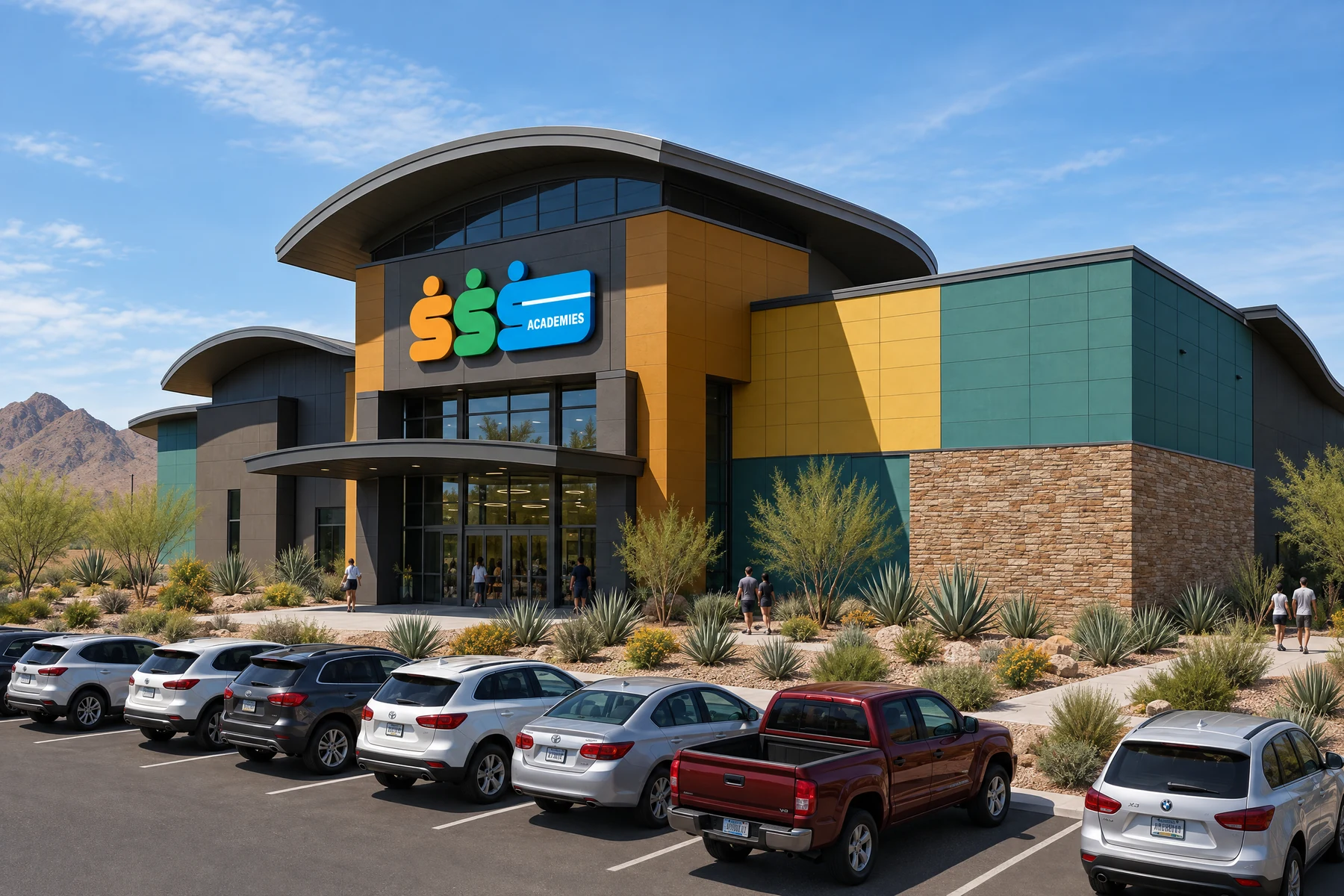
Private-school investment starts with the academic programme and the families it serves. Priorities include fit-for-purpose campuses, classrooms, laboratories, learning technology and the teams needed to deliver the programme. Private schools have their own admissions, tuition, licensing and governance arrangements; they are not simply charter schools with a different label. The private-education pillar can connect to a sports academy without making every private school an athlete-training programme.
Where investment can be directed
- Campus acquisition, development and adaptive reuse
- Classrooms, laboratories and education technology
- Academic delivery, learner support and operator capacity
What needs its own review
Examine the school's legal status, permitted grade range, academic authorisations, admissions and tuition model, demand, operating budget and any claims about accreditation. School admission and investment participation remain separate decisions.
Private-school profiles
SSS Academies describes a private sports-academy model with its principal academic programme for grades 9–12. The Fulton School, linked by SSS Schools, describes private preschool and elementary education through fifth grade in Rockwall, Texas. SSS's online academic partner has a separate tuition-free public high-school identity; these programmes should not be merged or called one charter-school model.
Public profile material reviewed 22 November 2026.
Sports Academies
Education and athlete development supported by training facilities, coaching and competition environments.
Related operator context
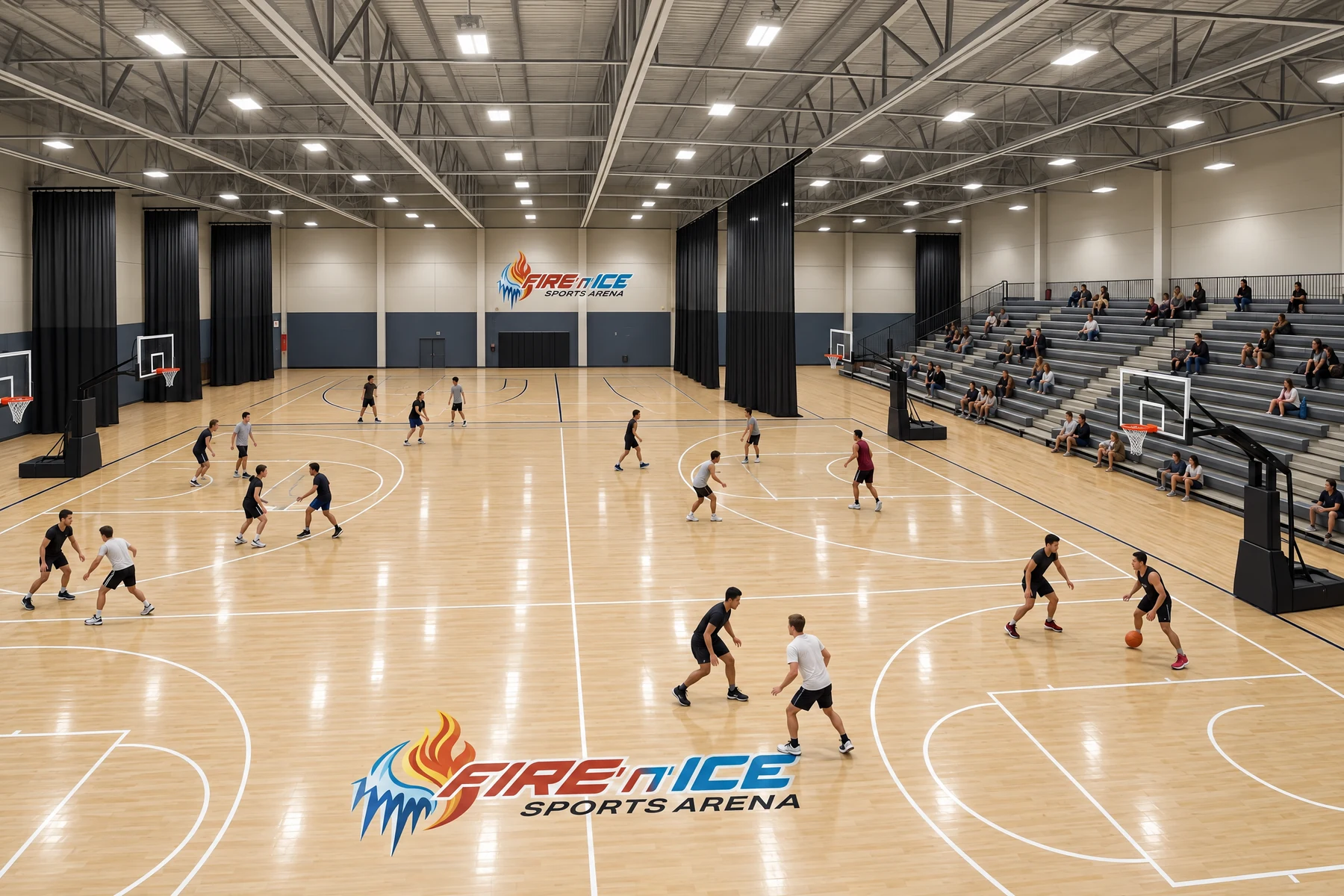
A sports academy brings academic continuity and athletic development together. Its investment needs can include classrooms, training equipment, ice or court facilities, strength and conditioning, recovery spaces and coaching infrastructure. Scheduling matters: school-day learning, athlete practice, community recreation and tournaments can use the same campus differently. The academy's academic programme and the arena's public activities need separate operating plans and clear responsibilities.
Where investment can be directed
- Academic and training spaces working together
- Sport-specific equipment, coaching and conditioning
- Competition, community use and event operations
What needs its own review
Confirm operator agreements, programme delivery, access rights, staffing, safeguarding and realistic utilisation. A training facility does not guarantee athletic results, scholarships, college placement or professional recruitment.
Education and athlete-development context
SSS describes morning academics and afternoon athletic training. Fire ’n’ Ice describes the related Phoenix arena and academy concept; its separate hockey skills programme advertises grades 8–12 and a sports-only option. The arena remains an opening target, not a confirmed operating facility, and scholarships or sporting placement are not guaranteed.
Public profile material reviewed 22 November 2026.
Hospitality
Hotels, dining and guest services that can complement education, sports and destination developments.
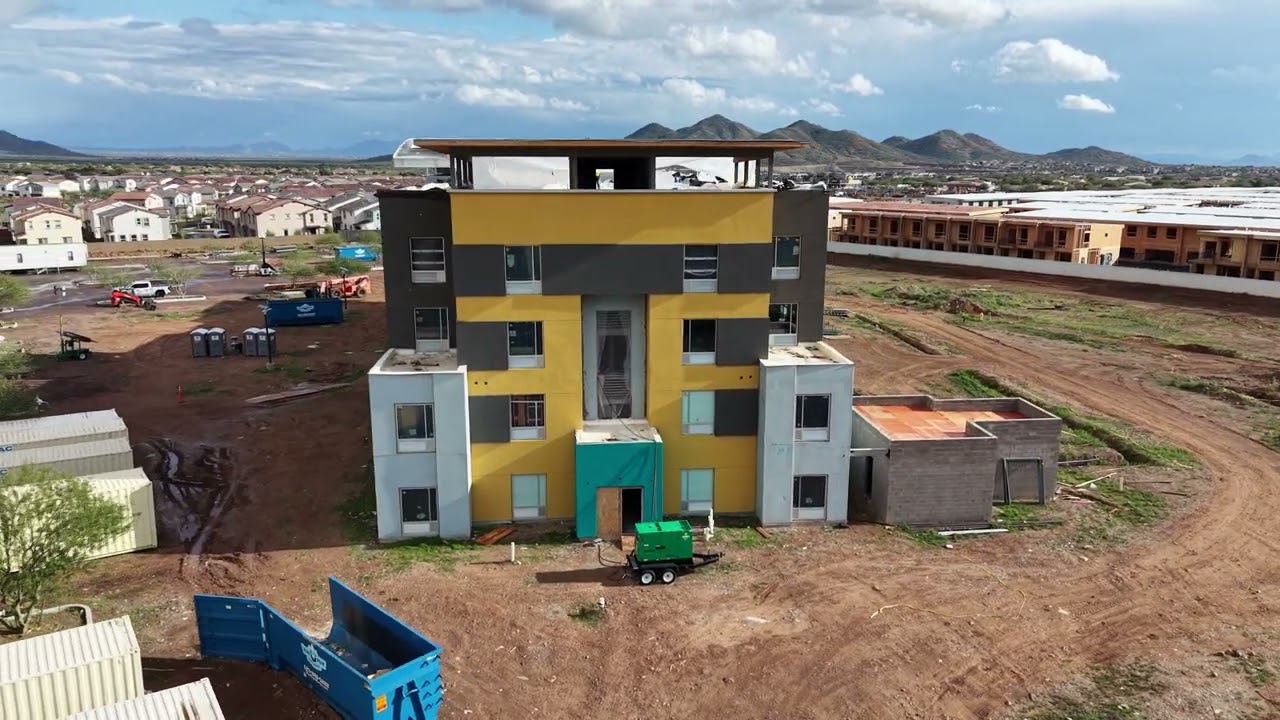
Hospitality is a distinct investment pillar, not a footnote to a school campus. Hotels can serve visiting families, tournament participants, business travellers and other guests; dining and wellness can support both visitors and local users. The opportunity must be assessed as a hospitality business, with its own demand, management, room and guest-service economics. Co-location with an arena or academy is a potential relationship to examine—not a guarantee of bookings or profitability.
Where investment can be directed
- Hotel development, guest rooms and operating infrastructure
- Dining, event-related services and destination amenities
- Management systems, guest experience and facility integration
What needs its own review
Review market demand, occupancy and pricing assumptions, operating contracts, brand or management rights, separate property and borrowing entities, reserves and debt obligations. Proposed hotel affiliations are not executed agreements.
A separately identified hospitality property
Hilton identifies Fire N Ice Hotel Phoenix North, Outset Collection by Hilton, at 2775 W Bronco Butte Trail beside the arena. Its current profile lists 84 rooms, an event room, three restaurants and two outdoor pools, and advertises December 2026 opening without accepting reservations yet. The earlier February 2026 issuer description planned 96 rooms/suites; retain that as a source discrepancy, not current delivered capacity.
Public profile material reviewed 22 November 2026.
Charter Schools
Public-school facilities and learning infrastructure, with charter-specific governance and funding requirements.
Related operator context
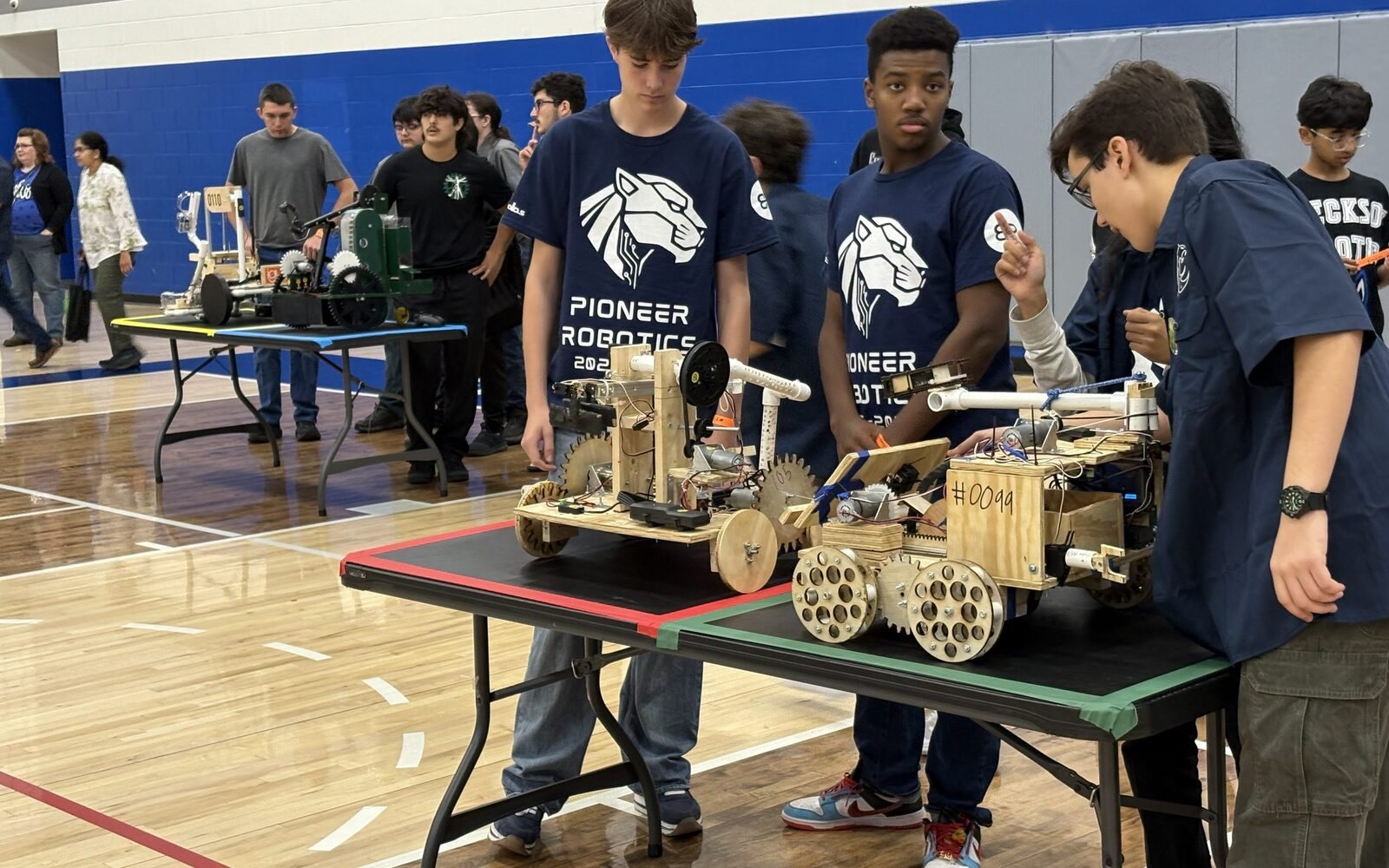
Charter schools remain an important part of the education story, but they no longer define the entire platform. This pillar covers campus facilities, STEAM laboratories, classroom technology and the infrastructure supporting the relevant public-school operator. The investment analysis must respect the school's particular authorisation, public funding arrangements and legal restrictions. PTAA material and the restored charter-bond history stay clearly identified as charter education; they are not relabelled as private-school records.
Where investment can be directed
- Campus facilities and eligible education infrastructure
- STEAM, arts, technology and career-pathway resources
- Operator capacity and appropriate facility financing
What needs its own review
Confirm the campus and operator's authorisations, enrolment assumptions, funding, property arrangements and financing eligibility. Neither a public-school association nor a governmental bond issuer guarantees an investor's repayment.
Campus-specific charter education
PTAA North Dallas describes K–12 STEAM, arts and P-TECH pathways. PTAA Colorado Springs describes a K–8 public charter programme. Grade ranges and governance vary by campus. PTAA Texas identifies Alpha1 as optional tutoring and homework support that complements—not replaces—teachers.
Public profile material reviewed 22 November 2026.
AI Education & Training
Learning software and implementation capacity for schools, colleges, companies and public agencies.
Related operator context
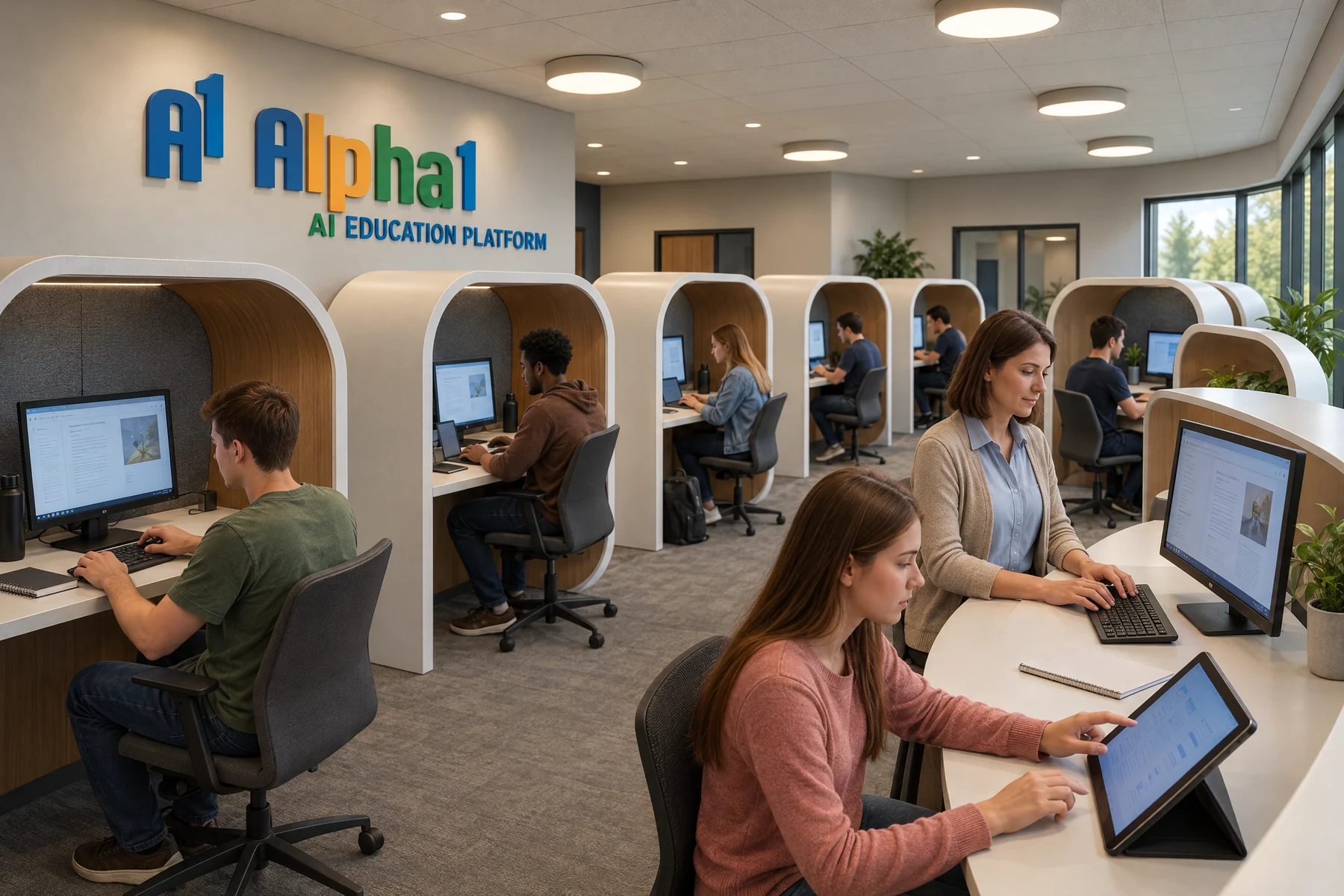
AI education investment is not limited to putting a screen in a school building. Priorities include learning-platform development, curriculum and content, educator and trainer tools, integration, assessment workflows, responsible data practices and implementation support. The intended audiences span K–12, colleges, corporations, federal agencies and state agencies. Software development, platform ownership and licensing are separate from real-estate investment and need their own economics, rights and evidence.
Where investment can be directed
- Learning platforms, curriculum and educator tools
- Integration, deployment support and measured pilots
- Data rights, security, accessibility and responsible AI
What needs its own review
Identify the actual product, intellectual-property rights, customer agreements, operating costs and independent outcome evidence. A market priority is not an installed customer, a government contract, a security certification or an available investment offering.
Alpha1 AI product and learning context
Alpha1 describes Chloe tutoring, Spark rapid learning and onboarding, Scholar in-depth courses, Resolve answers grounded in approved organisational documents, and a Curriculum Wizard. PTAA and SSS publish named school-programme examples; broader college, corporate and government audiences remain separately qualified expansion priorities.
Public profile material reviewed 22 November 2026.
A shared vision. Separate investment cases.
An academy can sit beside an arena and hotel, and AI can support learning across several environments. That does not make their operators, revenues, permissions or financing structures the same.
Real-estate investment addresses sites, buildings, equipment and the operating uses they support. AI investment addresses software, intellectual property, curriculum, integration and implementation capacity. Neither should inherit the other’s valuation, borrowing structure or promised returns.
Bond financing and EB-5 are transaction frameworks, not the definition of the entire platform. Tax treatment, permitted uses, investor eligibility and job evidence must be assessed for the selected structure. No sector automatically qualifies for tax-exempt financing or an immigration benefit.
Discuss the sector and the underlying opportunity.
Start with the operator or product, the intended users, the use of capital and the evidence behind the plan. Any specific investment requires its own definitive documents and independent review.