Education · Sports · Hospitality · AI
USA Education Fund · Current & proposed projects

Construction in focus.

Watch all 11 Phoenix films

North Phoenix arena, academy, hotel and site construction—alongside the proposed Vegas project and North Dallas development. Source footage and future plans are clearly separated.

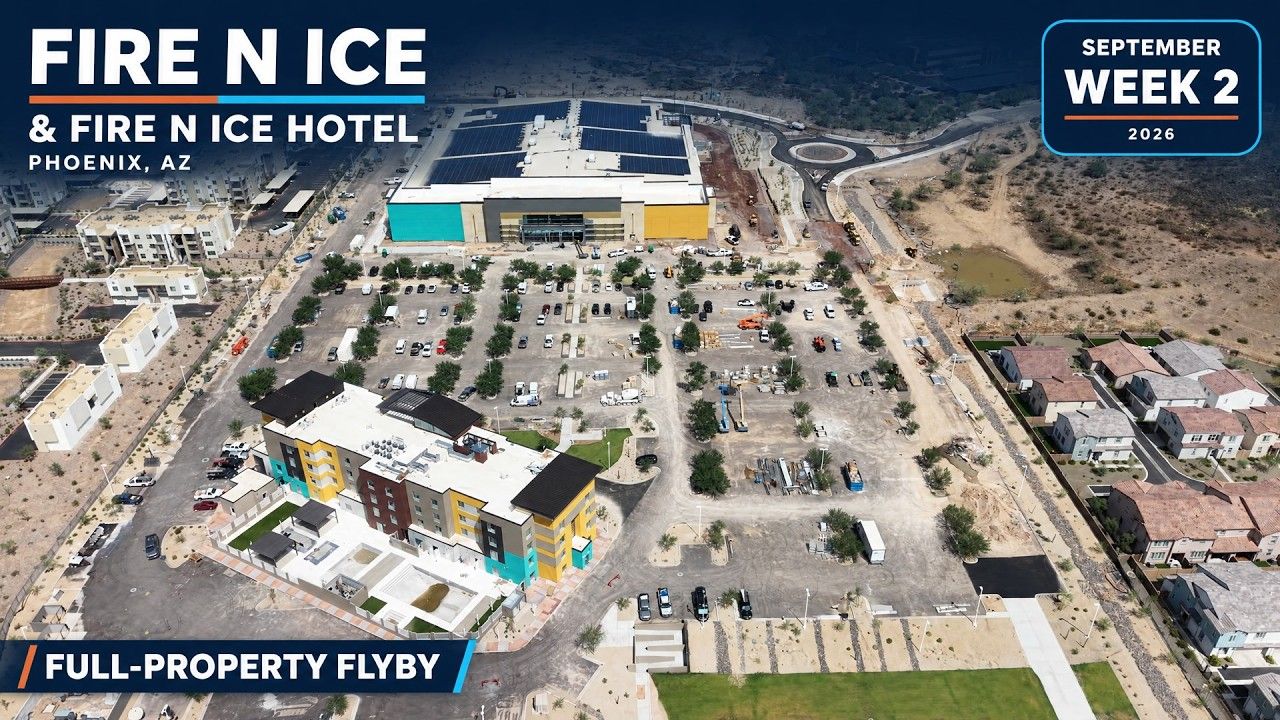
Original full-property film poster · September, week 2, 2026. Dated North Phoenix construction footage; not a completed-site photograph.

Source construction film · North Phoenix, Arizona

North Phoenix. Fire ’n’ Ice from the air.

Construction & fit-out · December 2026 opening target

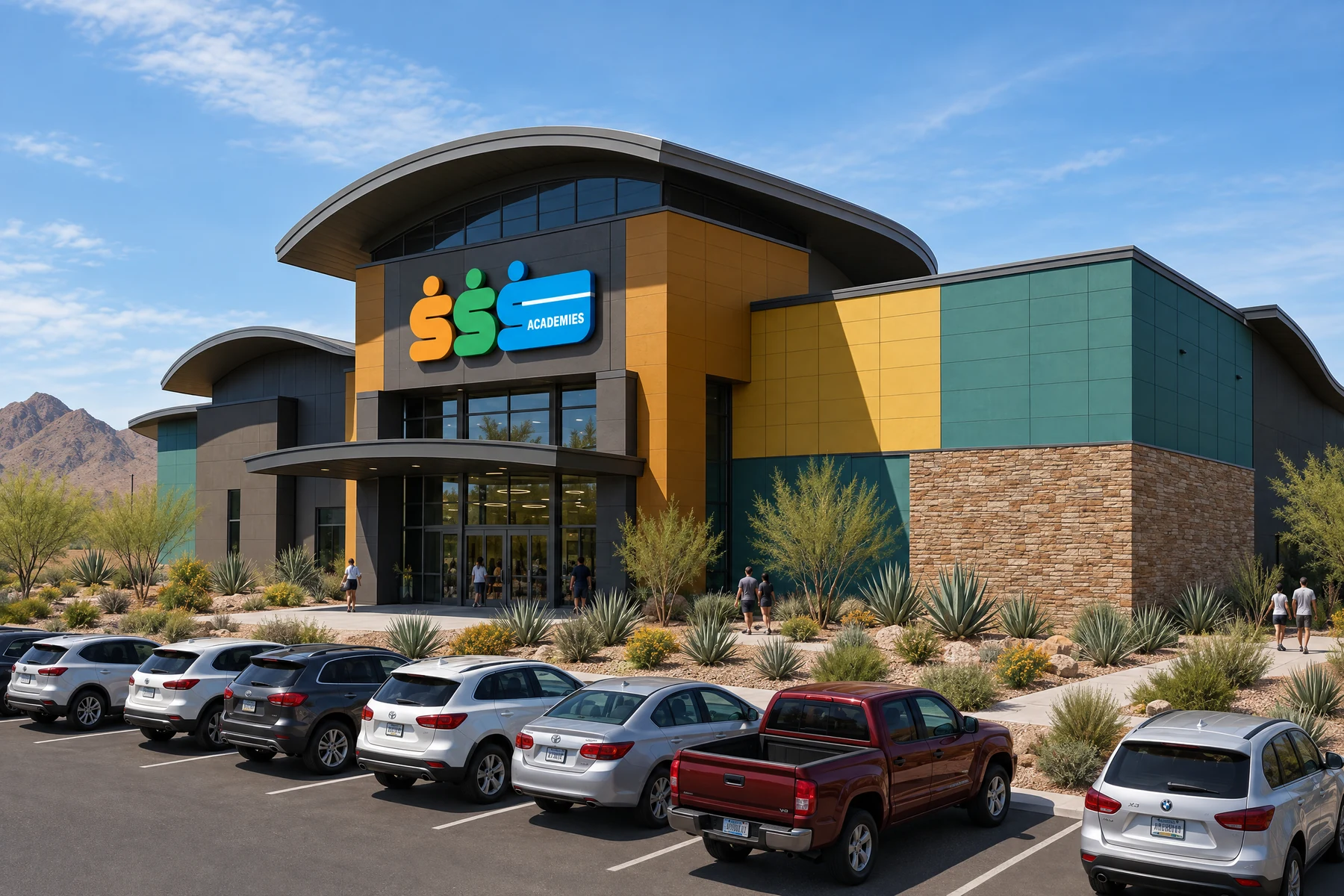
The arena, SSS Academy, adjacent hotel and surrounding site in one September 2026 property flyby. Follow the construction record—not an assumed opening.

FNI + SSS project cost — sponsor update, 22 November 2026

$184,000,000

FNI + SSS project cost · sponsor update, 22 November 2026. Not the issuer bond principal or separate hotel financing.

1 / 7

Swipe horizontally on the image, use the controls, or focus this slideshow and press ← / →. Home / End selects the first / last slide.

Reduced motion · manual slides · Videos never autoplay.

North Phoenix · The complete construction collection

11 films. One construction story.

Original Alpha1 channel

Arena and hotel flybys, site aerials, project Shorts and an independent walking tour. These are dated construction, fit-out and project-overview films—not evidence that the facility is open. December 2026 remains an opening target, subject to completion and approvals.

All posters are local source images. Selecting Play loads a privacy-enhanced YouTube player; no third-party player or media request is made before selection. Older poster opening/capacity claims are qualified below.

Arena — 4K drone flythrough

North Phoenix construction film · poster's August 2026 opening is superseded; December 2026 is an unconfirmed target. 2,500 refers to Main Event Area seats, not rink seating.

Hotel — 4K drone flythrough

Historical poster: August 2026 opening / 96 rooms / 8 team suites are superseded claims · current Hilton profile lists 84 · December 2026 remains an unconfirmed opening target

Preserved project history

The original buildings, sites & concepts.

Matching pictures from the legacy brochures accompany the historical records, not current-project placeholders. These source illustrations do not verify a completed development. All eleven numbered records and their full source scans remain available on the Projects page.

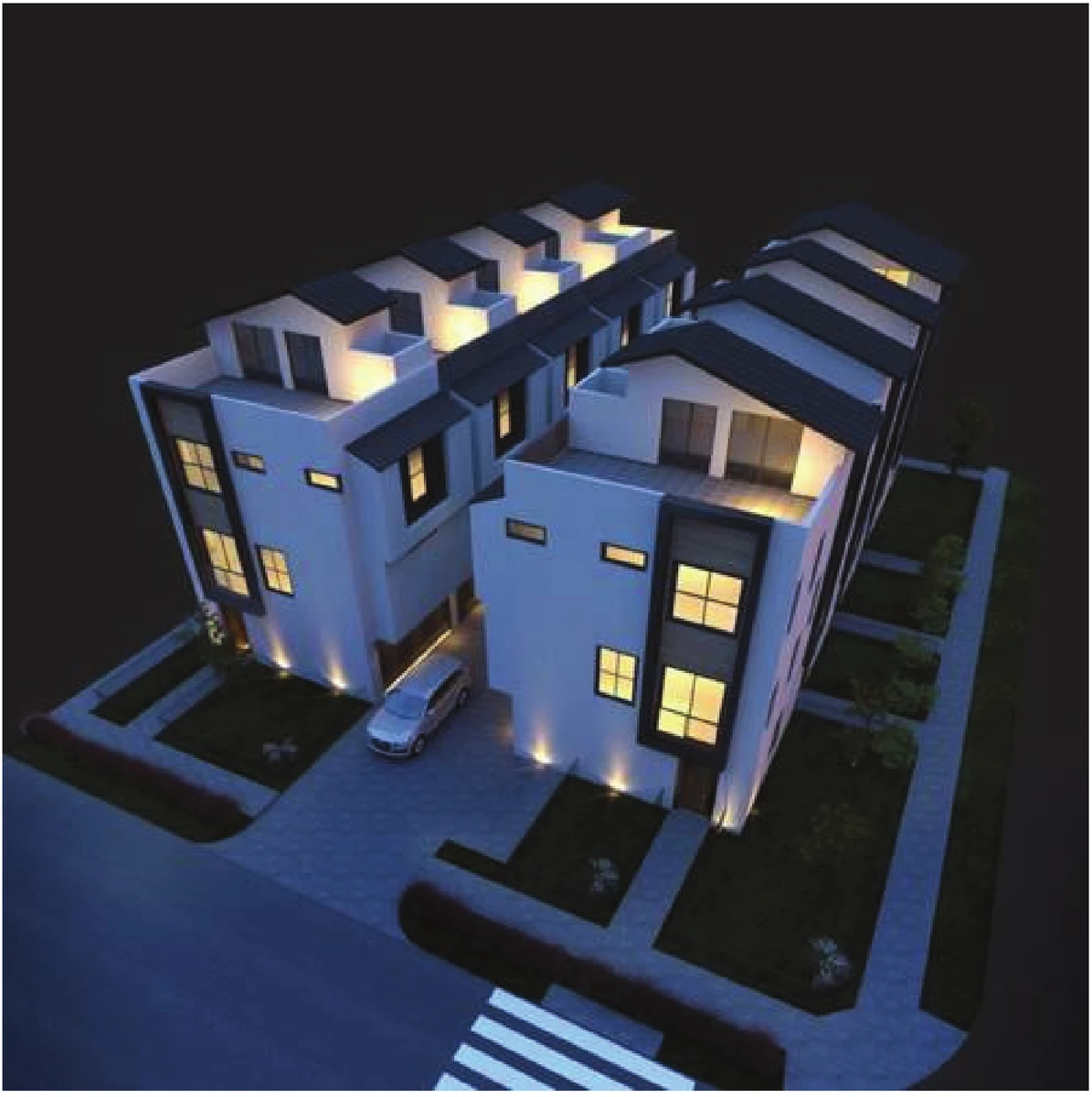
Original brochure illustration. Mesquite residential exterior rendering — view 1. Historical brochure concept, not an approved or as-built drawing. Project-site identity and current completion status are unverified.

Mesquite, Texas · historical housing concept

Original brochure illustration. Mesquite residential exterior rendering — view 1. Historical brochure concept, not an approved or as-built drawing. Project-site identity and current completion status are unverified.

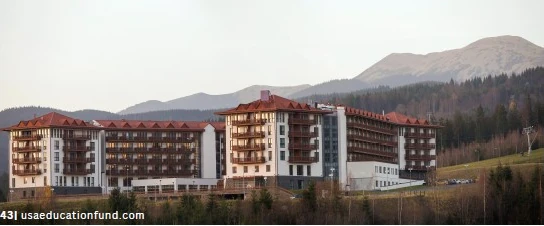
Original brochure illustration. Mountain-resort photograph — historical proposal illustration; resort property and acquisition/development approval not identified. Project-site identity and current completion status are unverified.

Pahrump, Nevada · historical mixed-use proposal

Original brochure illustration. Mountain-resort photograph — historical proposal illustration; resort property and acquisition/development approval not identified. Project-site identity and current completion status are unverified.

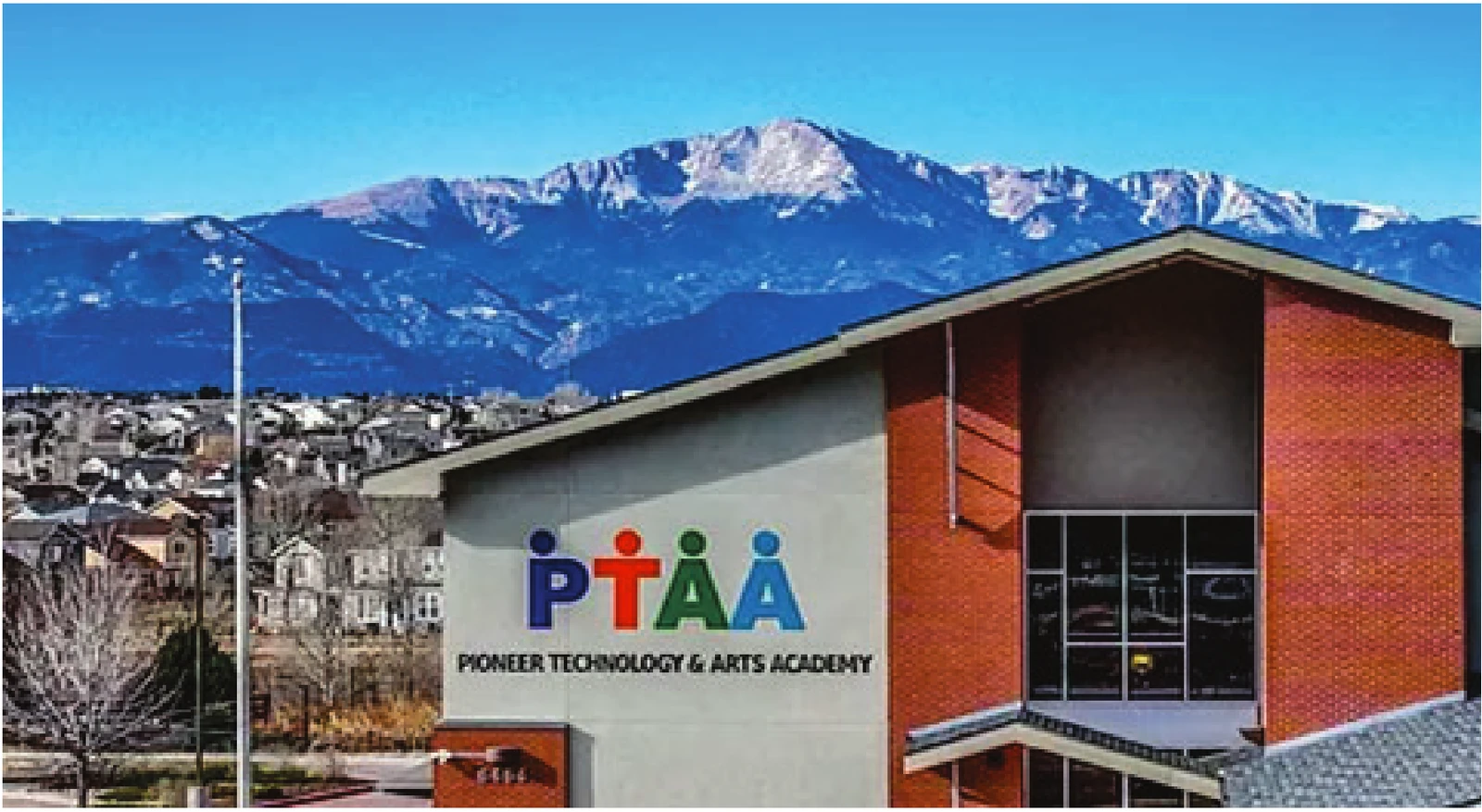
Original brochure illustration. PTAA-labelled exterior photograph — historical campus reference; branding does not prove current campus condition. Project-site identity and current completion status are unverified.

Colorado · historical school-development record

Original brochure illustration. PTAA-labelled exterior photograph — historical campus reference; branding does not prove current campus condition. Project-site identity and current completion status are unverified.

The wider platform · Five investment areas

Places to learn, compete and stay. Technology to support them.

Private schools, sports academies, hospitality and charter schools, alongside AI learning and workforce education for institutions, businesses and agencies. Individual investments require their own definitive documents; this website is not an open offering.

Education, sport and technology · projects and platforms featured here

Platform inclusion identifies the subjects of project and education materials; it does not establish a current financing commitment, adviser engagement or admissions entitlement.

For investors · Separate purposes

Start with the project. Choose the appropriate route.

Direct bond or bridge investment is separate from regional-center-sponsored EB-5 investment. Neither repayment nor immigration approval is guaranteed; instruments, eligibility and current documents need independent review.

Fund background, investor guidance & the original source archiveExpand the complete restored history, financing and partnership subjects, education and AI context, date-specific FAQ, original campus and bond films, and all seven source images. Existing section links remain accessible.
Two investor routes

One platform. Different objectives.

Start with your purpose: a direct financial investment, or a qualifying investment with an EB-5 immigration objective. Choose the route first, then examine the instrument, project and definitive documents.

Invest for financial objectives.

Explore municipal bonds or direct bridge financing as two separate instruments. Your investment rights come from the selected security or financing agreement, not an immigration petition.

Municipal bonds

Debt securities with a defined issuer, repayment pledge, maturity and tax classification. General obligation, revenue and conduit bonds carry different credit obligations.

Direct bridge financing

Interim financing for acquisition, construction or a funding gap. A direct investment may be a loan, note or participation; identify the actual instrument and enforceable rights in its documents.

Bridge financing can be invested in directly. It is interim project capital—not inherently an EB-5 investment and not automatically a municipal bond.

Review the contractual counterparty, pledged security, repayment priority and exit plan. Principal and income can be lost; completion and refinancing are not assured.

Invest with an immigration objective.

The platform’s EB-5 route is through the applicable regional-center-sponsored new commercial enterprise (NCE) structure. Review the project relationship, qualifying investment and job evidence with independent counsel.

An investor subscribes to the relevant NCE under its offering documents. How the NCE deploys capital to the job-creating entity (JCE), including any loan or equity position, is transaction-specific.

Capital must genuinely remain at risk. Investor eligibility, lawful funds, qualifying jobs and visa availability are separate requirements; neither immigration approval nor repayment is guaranteed.

Buying a municipal bond or investing directly in bridge financing alone does not confer immigration eligibility. Non-immigration direct investment is not standalone direct EB-5; that is a separate qualifying-investment framework, not the platform route presented here.

The education-backed investment case

Built for learning. Worth a closer look.

Education-backed assets merit careful attention: the usefulness of a learning facility can extend beyond one operator, and historical employment evidence offers a reason to examine resilience. Start with the evidence, then test the particular investment.

Facility reuse · Separate historical follow-up
95.8%

Learning spaces can find a next chapter.

In the 2005 Kauffman study’s separate follow-up of 106 closed charter-school facilities, researchers reported that 95.8% were occupied by new users. This supports a closer look at a property’s adaptability and replacement-user demand—not just its first tenant.

Historical facility-use evidence, not an investor repayment, loss or bond-default rate. The follow-up is separate from the study’s cumulative closure population. Re-letting time, rent, local demand and creditor rights still matter.

Read the 2005 primary study · page 5 (new tab)
Education & health employment · 1973–2009
Six recessions.

Positive bars in every historical period.

The original Fund brochure shows positive employment-change bars for combined education and health services in all six displayed recessions from 1973 to 2009. It offers a historical lens on the sector’s durability, not a school-only performance record.

  • November 1973–March 1975: positive employment-change bar
  • January 1980–July 1980: positive employment-change bar
  • July 1981–November 1982: positive employment-change bar
  • July 1990–March 1991: positive employment-change bar
  • March 2001–November 2001: positive employment-change bar
  • December 2007–June 2009: positive employment-change bar

Source: original Fund brochure, printed page 28—not the Kauffman study. Exact bar values and statistical publisher are unidentified. This is employment direction, not investment returns or repayment; financial activities also show positive bars throughout.

Inspect the complete original chart (new tab)

Turn the rationale into project-level underwriting. Assess operator revenues, property reuse, collateral and repayment priority. Direct bridge capital adds completion, default and refinancing risk; bond credit depends on its actual pledge. EB-5 capital must remain at risk. These historical charter-property and combined-sector employment findings do not establish safety across private schools, sports, hospitality or AI, and principal can be lost.

Five investment pillars

More than a school-building story.

Private schools, sports academies, hospitality and charter schools each have a place here. AI education and training adds a technology investment focus for K–12, colleges, corporations and federal and state agencies.

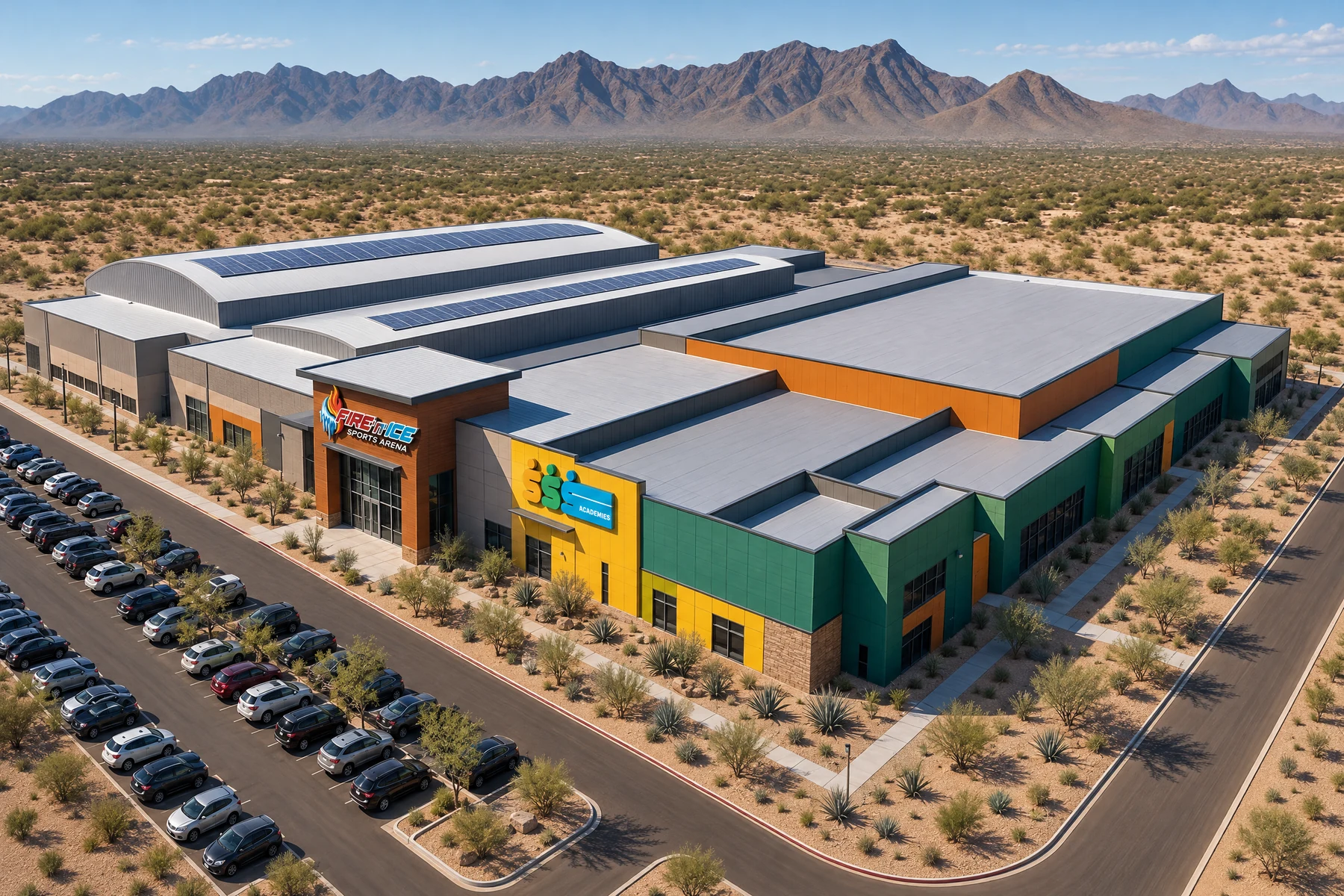
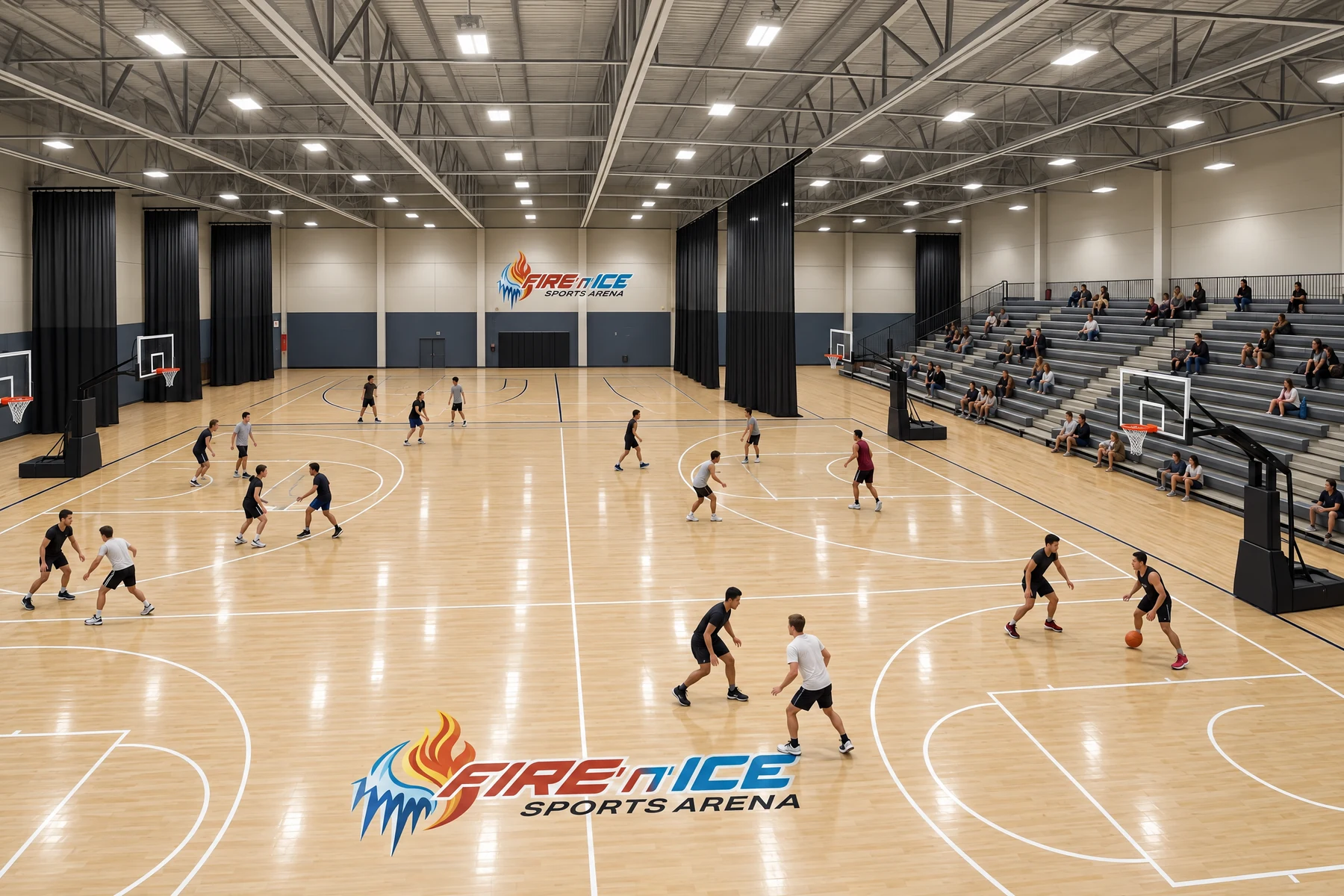
Phoenix sports-facility concept/reference rendering. An image is not completion or utilisation evidence. — AI-enhanced illustrative rendering with authentic Fire ’n’ Ice operator marks applied; not a completed-site photograph.
AI-enhanced concept · Phoenix multi-sport courtsOpen original source concept
Pillar 02

Sports Academies

Related operator context

Fire ’n’ Ice Arena operator logo
SSS Academies operator logo

Education and athlete development supported by training facilities, coaching and competition environments.

Explore this pillar
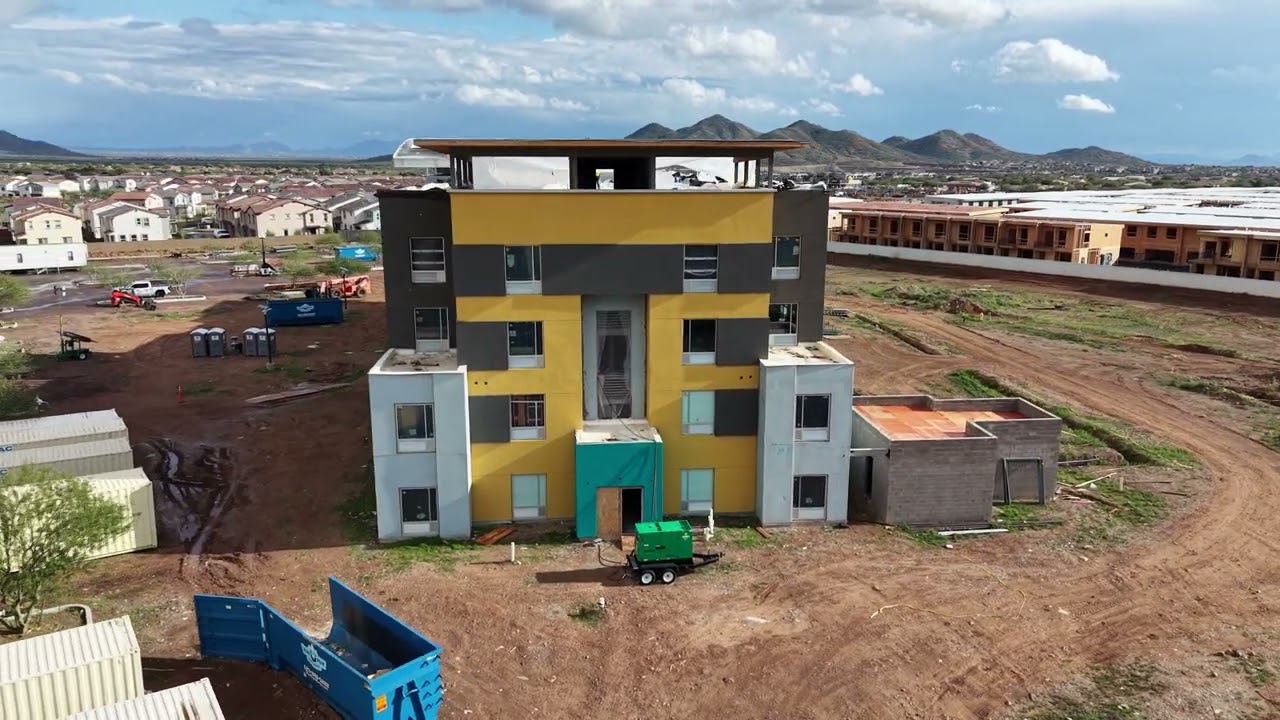
Phoenix hotel construction flyby — source film thumbnail, not evidence of opening or current operating performance.
Source construction film · Phoenix hotel
Pillar 03

Hospitality

Hotels, dining and guest services that can complement education, sports and destination developments.

Explore this pillar
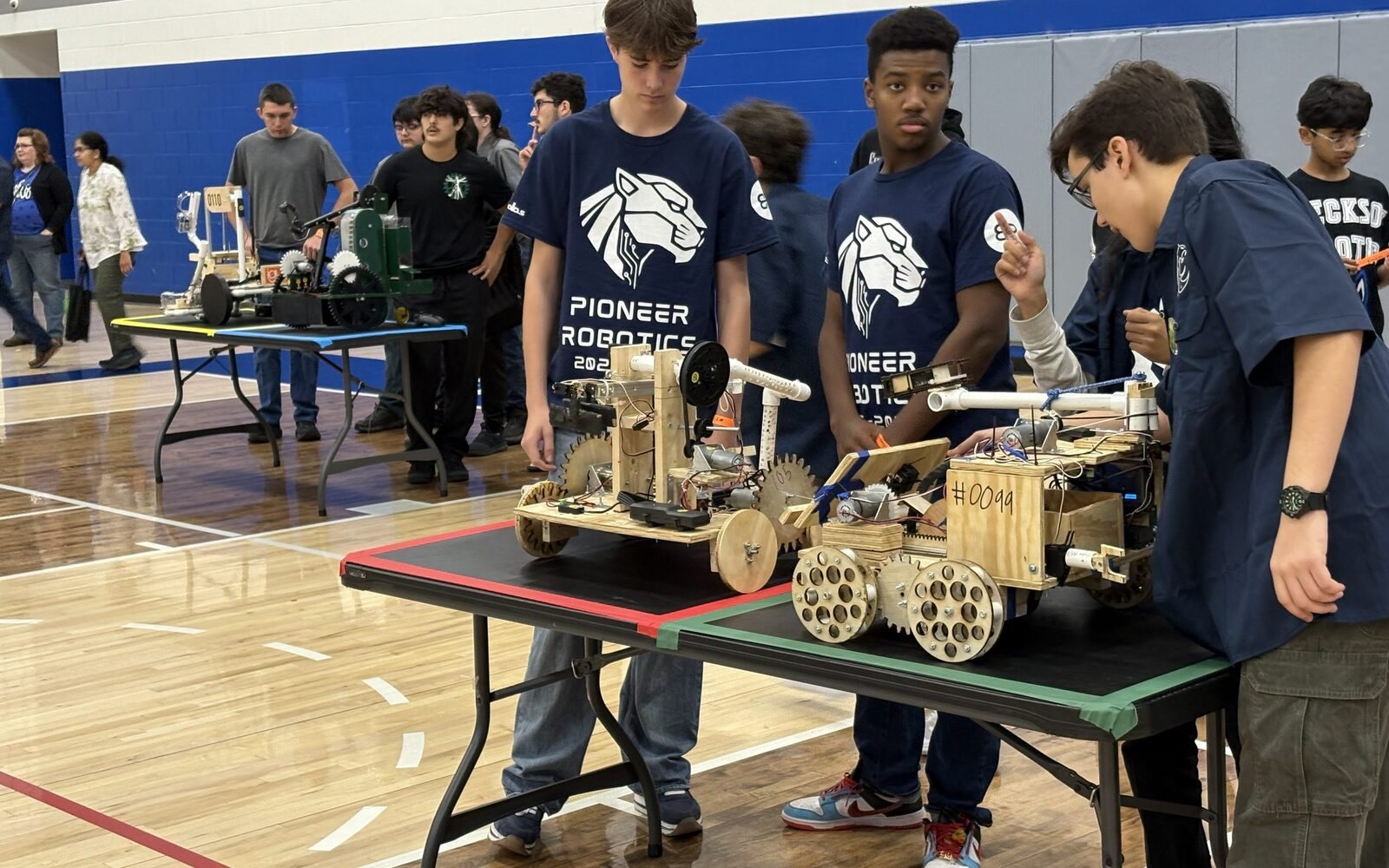
PTAA robotics/education reference imagery; campus-specific location and Fund ownership are not established by this photograph.
Operator photograph · PTAA robotics activity
Pillar 04

Charter Schools

Related operator context

PTAA operator logo

Public-school facilities and learning infrastructure, with charter-specific governance and funding requirements.

Explore this pillar
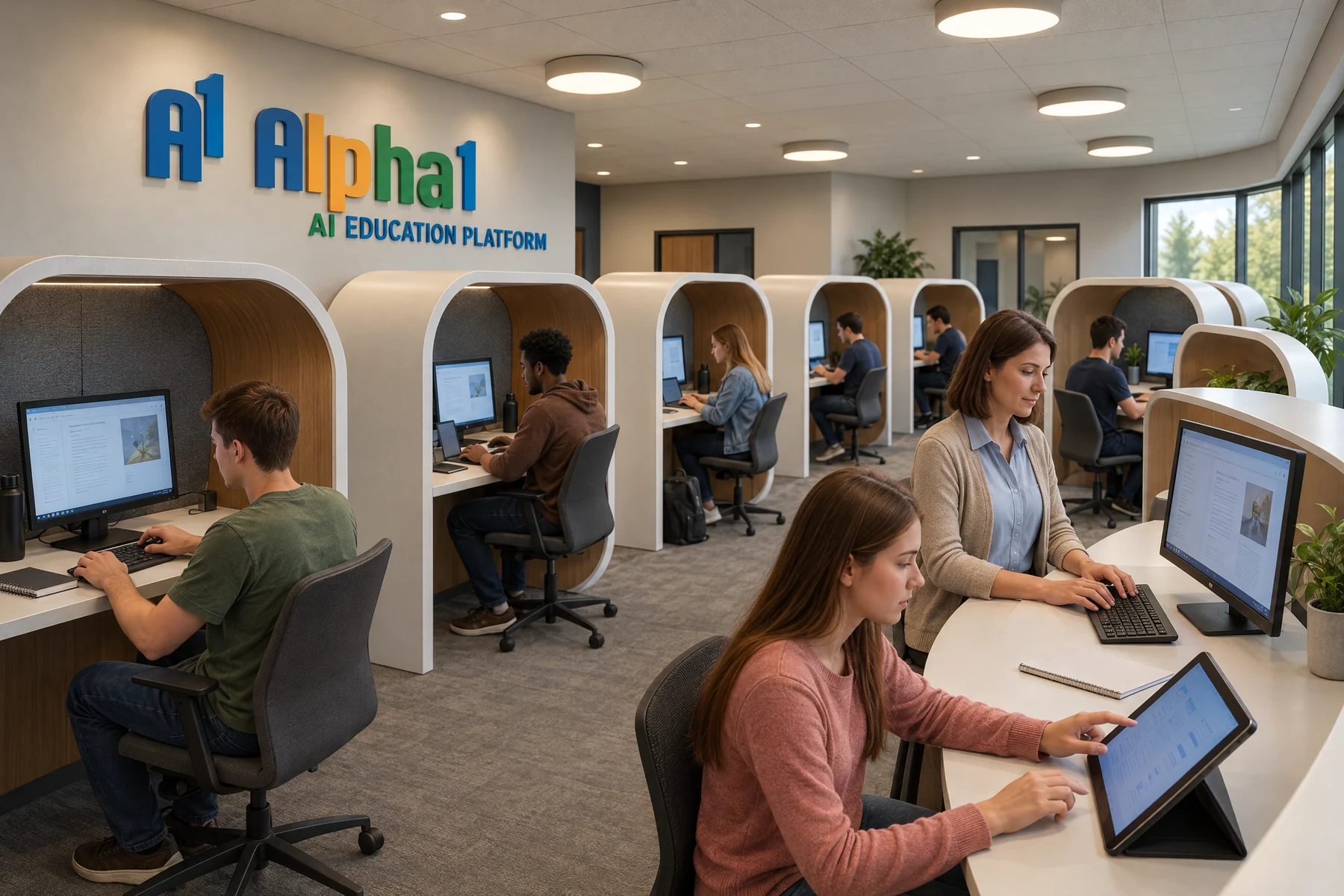
Phoenix Alpha1 learning-centre concept rendering; not a photograph of a college, corporate or government deployment. — AI-enhanced illustrative rendering with authentic Alpha1 AI operator marks applied; not a completed-site photograph.
AI-enhanced concept · Phoenix Alpha1 learning centreOpen original source concept
Pillar 05

AI Education & Training

Related operator context

Alpha1 AI operator logo

Learning software and implementation capacity for schools, colleges, companies and public agencies.

Explore this pillar

Images are existing project, operator or concept references—not evidence of completed investments or deployments. Enhanced concepts are AI-enhanced illustrative renderings with authentic operator marks applied, not completed-site photographs. Each sector has different operating, financing and diligence requirements.

AI education & training

From K–12 to the workforce.

A dedicated technology investment focus for K–12, colleges, corporations, federal agencies and state agencies—not just a classroom feature inside a charter school.

Learning platforms, curriculum, educator and trainer tools, integration and responsible implementation form a separate investment case from buildings and land. Alpha1 AI and the related education materials provide platform context; each proposed opportunity needs its own product, rights and customer evidence.

These are strategic audiences, not a claim that colleges, corporations or government agencies have signed contracts, adopted a system or endorsed an investment.

Over $1.51B
Legacy sponsor-reported community-project capital
Since 2003
USA Education Finance Group’s stated finance history
8
Project review records — not funded transactions
4
Financing avenues named by the legacy homepage

The legacy Fund homepage reports raising over $1,510,000,000 for community projects. The reporting period, included entities and independent audit basis have not been supplied. The 2003 statement concerns USA Education Finance Group, not an independently established Fund founding date. Source captured 21 November 2026; this is not a 2026 audited capital total or a count of available offerings.

About USA Education Fund

Learning, performance and places to stay.

Private education, athlete development, hospitality and charter education sit alongside an expanded investment focus on AI learning—from K–12 and colleges to corporations and federal and state agencies.

The legacy Home and About sources describe work or proposed work in Texas, Colorado, Arizona, Florida and Nevada. About also describes building or remodelling campuses, hotels, apartments, dormitories, strip malls and other facilities for education, accommodation and community needs. This is historical sponsor background, not confirmation that every state has an active construction project or a subscribable offering today.

The About source calls campuses “A-grade” and associates projects with more than 18,000 students. These are sponsor descriptions, not independently verified accreditation, credit ratings or current enrolment. The Home’s statement that education-institution and subsidiary financings have been structured since 2003 belongs to USA Education Finance Group; the founding date of USA Education Fund itself has not been independently established in this review.

Historical source statements captured on 21 November 2026. Explore each project’s source dates, documented stage and unresolved milestones before treating it as an available investment.

What we do

Financing starts with the project, not a promise.

A facility’s needs, legal structure, revenue assumptions and repayment capacity shape its financing plan. The legacy homepage names four avenues, each with separate eligibility, documentation, costs and risks. None is a financing commitment.

01 / For investors

EB-5 Investment

An investment-linked immigration programme for qualifying investors and their families. Project participation, job creation and eligibility require separate review; neither residency nor repayment is guaranteed.

  • USA Education Fund LLC · Texas · RC2200001404 — listed in the official USCIS CSV
  • Request project-specific job evidence before I-526E filing
  • Review any offering’s escrow, release and contractual retention terms
  • Engage your own independent immigration counsel
02 / For sponsors

Bond & Municipal Finance

Tax-exempt and taxable bond options, and possible interim or gap capital, for eligible education and community facilities. The issuer, borrower, revenue, security, tax analysis and documents determine the appropriate structure.

  • Tax-exempt and taxable structures where eligible
  • Facility acquisition, construction and refinancing
  • Borrower, pledged revenue and security review
  • Bond counsel, disclosure and transaction diligence

The USCIS approved-regional-center CSV lists USA Education Fund LLC in Texas under RC2200001404. The approved-list page is dated 26 October 2026 and was checked on 21 November 2026. Designation is not endorsement of activities or an offering, a guarantee of securities-law compliance, immigration approval or repayment, or removal of investment risk. It supplies neither a designation year nor every securities issuer’s identity. Confirm the selected project’s legal entities, geographic scope and regional-center relationship in its documents.

Customized financing solutions

01

Tax-exempt and taxable bonds

Eligible facilities may consider either structure. The particular transaction needs issuer, borrower, use-of-proceeds, repayment security, credit and tax review. Neither tax exemption nor public benefit means that a government guarantees repayment.

02

EB-5 investor capital

A separate investment-and-immigration framework requiring qualifying capital and job creation. Capital must genuinely remain at risk. Project participation, investor eligibility and immigration decisions require separate review; immigration approval and repayment are not guaranteed.

03

New Markets Tax Credits

The federal NMTC program attracts qualifying private investment into low-income communities through certified Community Development Entities (CDEs). A project seeking NMTC-enhanced financing must work with an appropriate CDE and meet eligibility, allocation and transaction requirements. A business seeking financing is not thereby applying to become a CDE. This review establishes no USA Education Fund allocation, CDE certification or committed NMTC financing partner.

04

Interim and gap financing

Temporary capital may support acquisition or construction while a longer-term structure is considered. Approval, availability, conditions, amounts actually drawn and any proposed refinancing require current project-specific documents. A possible bond or EB-5 takeout is not a guaranteed exit for the bridge lender or investor.

Municipal bonds · Original explainer videos

Understand how school bonds work.

Both original bond-financing films remain here, with readable historical context. Public-school district debt and charter-facility or conduit debt can have different repayment sources, tax treatment and security.

School Bonds 101

KPBS News · published 25 February 2015 · inewsource animation

Watch on YouTube

School Bonds 101 — public-school district basics

Published by KPBS News on 25 February 2015, with inewsource animation, the film explains why school districts borrow for buildings, new or renovated classrooms, computers, whiteboards and science equipment. Bonds are loans with principal and interest. Buyers may be institutional or individual investors, and districts make annual repayments.

The illustrated $10 million bond and 20- or 25-year payoff are teaching examples, not Fund offering minimums or current terms. The taxpayer-funded repayment example concerns public-school district debt; it must not automatically be applied to a charter-school facility, conduit bond or project revenue bond. The uploader and animation mark do not establish Fund authorship.

Film teaching locator

Approximately 0:50–1:27 covers principal, investor types, maturity and taxpayer repayment. The $10 million document graphic illustrates borrowing, not a subscription amount.

CHARTER EDtalk: Facility Financing - Understanding Bonds

Grow Schools upload · Charter School Capital / Ziegler discussion · 2018 setting

Watch on YouTube

Charter EDtalk — facility financing and bond-market readiness

The historical Charter School Capital and Ziegler discussion, uploaded by Grow Schools, includes introductions and Ziegler’s background, project scale, enrolment, reserves, operator performance and authorizer relationships. It advises establishing borrowing capacity before over-designing an unaffordable facility, and assembling site, permits and construction information before a bond transaction.

Topics include fixed-rate and phased financing, the underwriter and legal team/process, rated and non-rated issuance, investment-grade categories, rating costs, conditional state credit enhancement, limitations of the bond route, academic and financial evidence, and engagement with public officials.

The film refers to the 2018 political setting. Its about $5 million project-size discussion, 30–35-year terms, 60–90-day ready-project process and $30,000–$70,000 rating-cost examples are historical commentary—not 2026 Fund quotes, minimums, closing commitments or government guarantees.

Full topic locators and historical qualifications
  • 2:48–5:55 — readiness, financing scale, enrolment and reserves.
  • 5:56–9:02 — contemporaneous rates, long fixed-rate terms and phased growth.
  • 9:03–12:47 — underwriter/legal process, borrower capacity and shovel readiness.
  • 12:48–17:16 — ratings, investment-grade categories, costs and conditional credit enhancement.
  • 17:17–19:19 — limitations and academic/financial track record.
  • 19:20–21:52 — advocacy and public-official engagement.

Interest rates, student numbers, waiting lists, non-rated issuance proportions and state programs belong to the film’s historical setting. Discussion of some qualified newer schools depends on stronger operator and authorizer evidence; it does not establish automatic eligibility after two or three years. The current Grow Schools article provides publisher context, not a verbatim replacement for this film or current Fund terms.

Educational films, not a bond offer or recommendation. Choose a film to load its player, or use its direct YouTube link. Publisher metadata and content were reviewed in the supplied audit; public playback is not claimed to have been tested.

Partnership · Four original subjects

Why partner with USA Education Fund?

The legacy homepage’s four partnership points are preserved below as questions to investigate, not universal financing, school-admission or immigration guarantees.

01

Examine the revenue behind the project

The legacy homepage refers to “Sponsored Funded Revenues” without defining the mechanism. Request the current budget, revenue assumptions, sponsor obligations and executed funding agreements. Do not interpret this undefined phrase as verified government funding, a sponsor backstop or a credit enhancement. Expected school revenue or a sponsor contribution is not a repayment guarantee.

02

Verify the bridge-financing position

The legacy site describes pre-approved bridge financing. For the selected project, confirm the lender, executed commitment, outstanding conditions, actual draws and proposed refinancing. Neither approval nor takeout should be assumed across the portfolio. Review whether temporary financing was contemplated to be replaced and how qualifying capital reaches the business responsible for the jobs.

03

Ask about high-school applications

Eligible investor students may enquire about applying to the relevant partner’s high-school program. Confirm current school-specific admissions rules, available places, any residency requirements and charges directly with the school. School admission is separate from investment and immigration eligibility. An EB-5 investment does not guarantee a school place, preferential admission, a visa, residence, a scholarship or a fee waiver.

04

Review job evidence before filing

A regional-center investor’s I-526E petition needs project-specific support for at least ten qualifying full-time jobs per investor. Request the independent economic study, expenditure evidence, construction duration, model inputs and investor allocation. Investor, spouse and child jobs do not count. Projections, an estimated cushion and completed construction do not automatically establish qualifying or allocable jobs or immigration eligibility.

How bridge finance and EB-5 job evidence connect

Temporary or bridge financing may precede EB-5 replacement, but USCIS job credit is conditional. Replacement generally must have been contemplated when temporary financing was obtained, or the funding must have been intended as short-term funding to be replaced by longer-term capital. Qualifying capital must reach the business responsible for job creation.

Applicable regional-center rules allow up to 90% indirectly estimated jobs. Indirect jobs from construction lasting less than two years can satisfy only up to 75% of the job requirement, and estimated direct jobs from such short construction are duration-adjusted. A construction budget or completed building alone does not establish these requirements.

Request the actual dated economic report, author and engagement, expenditure records, construction duration, methodology and inputs, bridge agreements and per-investor allocation. Historical economist names do not establish every current study or a universal RIMS II method. Regional-center documents do not transfer away the investor’s own eligibility, lawful-funds and qualifying-investment responsibilities.

USCIS qualifying-investment and job requirements · USCIS regional-center job/bridge guidance

Inside the campuses

The buildings are only half the story.

These partner films show campus life, learning technology and dated project footage. They include PTAA Colorado and Texas material and Fire ’n’ Ice / SSS Academy construction and concept-related films. Historic upload dates and a sponsor’s opening target are not proof that a facility is operating today or that its financing is available.

Colorado Drone View is a 21-second silent aerial clip of a multi-wing campus, pitched roofs, parking, a fenced playground, a road, nearby homes and mountains. Published 11 April 2023 by Alpha1 AI education platform, it supports the original K–12/community-campus subject—not a November 2026 progress report. It contains no financing figures, terms, opening announcements, Fund branding or narration.

North Phoenix · Fire ’n’ Ice + SSSPTAA · Colorado & TexasAlpha1 AI
Explore the full film library

“Arena flyby 2 5 26” · exact original ID 9vM8JYqJ5UE. Approximately 1:58 of silent construction aerial footage showing roof framework, masonry/concrete walls, cranes, lifts, vehicles and surrounding development. It does not establish Fund legal ownership or that the facility is open, and contains no financial terms or narration. Original YouTube source.

Fire ’n’ Ice Arena — 4K flythrough

North Phoenix, Arizona · project film; not proof of opening

Watch on YouTube

Arena and hotel, from the air

September 2026 · dated project footage

Watch on YouTube

Colorado Drone View — PTAA campus flyby

Published 11 April 2023 · Alpha1 AI education platform

Watch on YouTube

Alpha1 AI in the classroom

Learning-platform film · not construction evidence

Watch on YouTube

Players load when selected. Direct YouTube links remain available if embedding is blocked. Inclusion does not verify project stage, financing, admission or investment outcomes; campus-life and AI films are not construction evidence.

Questions · Date-specific guidance

Investor FAQ

The original Learning Center’s twenty investor questions remain a starting point for discussion. Current legal guidance here is checked as of 21 November 2026; it is not a statement of current private offering terms. The published USCIS fee change takes effect on 30 November 2026.

How much qualifying capital is required as of 21 November 2026?

The minimum is $800,000 for a qualifying targeted employment area—a rural or high-unemployment area—or a qualifying infrastructure project, and $1,050,000 otherwise. Infrastructure has a specific statutory definition involving a governmental job-creating entity and a public-works project. A school, arena, city/state label, public benefit or government funding does not automatically establish either category. Counsel should confirm the classification and evidence for the selected project. The statutory visa reserves are 20% rural, 10% high-unemployment and 2% infrastructure; visa availability and petition approval are separate matters.

Is the investment amount the total cost?

No. Administration, independent legal work, USCIS fees and other applicable costs are separate. Historical Fund materials illustrated $80,000 administration for an $800,000 investment and $100,000 for a $1,050,000 investment; the original Learning Center estimated attorney fees of $15,000–$25,000. These are historical sponsor statements, not government-set charges or verified current quotes. Request the selected offering’s current administration/refund schedule and an independent written legal engagement quote. Family applications, consular or adjustment fees, medical examinations, translations and evidence costs can be additional.

Is the investment amount changing soon?

USCIS states that the first inflation adjustment applies to petitions filed on or after 1 January 2027, with adjustments every five years. This review does not publish an unverified adjusted dollar amount. Confirm the applicable threshold and filing requirements with USCIS and independent counsel; do not rush incomplete evidence solely for a fee or investment deadline.

How do the regional-center program dates differ?

The statute authorizes regional-center visas through 30 September 2027. Separate expired-legislation protection covers qualifying regional-center-related petitions filed on or before 30 September 2026; that cutoff has already passed as of this review. Protection against a future legislative lapse is not an approval guarantee. Later filings should not be described as grandfathered under that provision.

USCIS filing fees: current and published schedules
USCIS fees checked 21 November 2026. Government fees only; I-829 is a later filing.
FeeCurrent on 21 November 2026Published schedule effective 30 November 2026
Initial I-526E petition$3,675$7,850
Separate investor Integrity Fund payment$1,000$1,100
I-829 petition — filed later$3,750$5,000

The published schedule applies to filings postmarked on or after 30 November 2026. The $7,850 initial I-526E fee includes the $75 technology fee; do not add it again. The amendment fee is different. I-829 is filed later: the partial subtotal is not all payable today and does not predict the fee at your eventual I-829 filing. Family and other applicable charges are additional. Confirm USCIS Form G-1055, current form editions and payment instructions immediately before each filing.

Official final fee rule · 30 September 2026 · Confirm USCIS Form G-1055 before filing

Original homepage · Source-image archive

The original visuals, with their context intact.

All seven original images remain available uncropped, including the panoramic hero rendering and historical title graphics. Read the captions, then open the complete image or its original-size view. They are historical source materials, not current offers or project-completion evidence.

Explore the seven original homepage images

Original homepage PTAA reference rendering

Panoramic architectural rendering of a low-rise education building, landscaping, road, vehicle and rendered people. The source upload path is dated February 2018; that is not an established drawing date. The specific site and completion date are not established. The image contains no financing schedule or investment terms.

MUNICIPAL BONDS — original title illustration

Decorative municipal-bond graphic with gears and stationery. Its filename does not establish an ETF recommendation or an underlying article. The image contains no market figures or current rates.

VISA EB-5 — original passport illustration

Passport and flag illustration labelled VISA EB-5. It gives no minimum investment, filing fee, proposed hike amount, processing period or date. The filename is not evidence of current fee terms.

SPARKY — original bond-financing title graphic

The original screenshot says SPARKY and “What is a bond financing?” over question-mark artwork. It is a title graphic, not a separate active film or a financing table. SPARKY branding does not establish authorship of the active KPBS News School Bonds 101 film.

BB&T Capital Markets — historical charter-bond screenshot

The screenshot says “BB&T Capital Markets” and “Charter Schools and The Bond Market,” with player chrome at 0:06 / 4:44. Its original link was only #; the underlying film URL is unresolved. It is not the active, longer Grow Schools Charter EDtalk film and does not establish a current Fund adviser or partner relationship.

BONDS — original stock illustration

A wooden block labelled BONDS surrounded by generic icons. Although placed above the original Finished Project section, it is not a completed-school photograph, loan document or project-completion evidence.

Original unidentified classroom photograph

Children seated in a classroom facing a teacher. No location, financing, ownership or admissions commitment is identified. This historical image is not presented as a documented Fund-campus photograph.

Original homepage source captured 21 November 2026 at 23:49:55 UTC. There were four active films: the arena flyby, both bond explainers and Colorado Drone View; there were no actively linked brochure scans, PDFs, downloadable offering documents, audio files or self-hosted videos on Home. The commented-out PTAA Mesquite STEAM Chinese Dragon Project reference (ff10M_yOe0k) and duplicate School Bonds 101 markup were inactive, not additional missing films. Full-image access does not establish the unresolved BB&T video URL or the PTAA rendering’s site/date.

Education, sports, hospitality and AI enquiries

Speak with the Fund.

Discuss a private-school, sports-academy, hospitality, charter-school or AI education investment priority. Use the published email or telephone channels and ask which current materials are available. This review website’s contact form prepares an email in your own app; it does not send the enquiry or book an appointment. Do not include passports, bank records, payment instructions or other sensitive documents.