


It’s during the recovery phase that these fibers repair and grow stronger, leading to muscle hypertrophy. Without adequate rest, this repair process is compromised, and your progress stalls. Prioritizing recovery ensures that your body has the time and resources it needs to rebuild and adapt, setting the stage for consistent muscle gains over the year. Gaining muscle in a year is entirely achievable with the right approach, and effective workout routines are at the core of this goal.
- Remember, muscle growth is a marathon, not a sprint, and compound lifts are your most reliable tool for the journey.
- For example, a 2,500-calorie maintenance diet should increase to 2,800–3,000 calories for lean mass gains.
- Aim to consume 1.6 to 2.2 grams of protein per kilogram of body weight daily.
- Both compound and isolation exercises have a time and place in your training program.
- Snacks like cottage cheese, protein shakes, or nuts can fill the remaining gap.
- It’s important to know the rate at which you’re gaining weight.
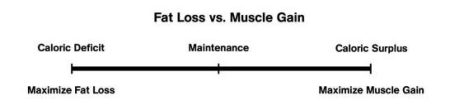
Caloric Surplus: Consume more calories than you burn to support muscle growth effectively
Another tactic is reducing rest times between sets to increase metabolic stress, though this should be done cautiously to avoid overtraining. Tracking progress in a workout journal is essential—it helps identify trends and ensures you’re consistently challenging your muscles. During muscle building phases, limit cardio to 2-3 sessions of minutes weekly for cardiovascular health without compromising gains. Low-intensity workout apps with meal planning steady state (LISS) like walking interferes less than high-intensity interval training (HIIT).
How to Set Realistic Fitness Goals You’ll Actually Achieve, According to Top Trainers
In the 20s and 30s, muscle gains come more easily due to peak hormone levels and faster recovery. After 40, muscle synthesis slows, and sarcopenia (age-related muscle loss) begins. However, consistent training and proper nutrition can mitigate this decline. Hormonal changes, such as decreased testosterone in men and estrogen in women, further complicate muscle growth with age.
Total Calories: Per Day
High-quality protein sources such as lean meats, poultry, fish, eggs, dairy, and plant-based options like tofu, tempeh, and legumes should be prioritized. Distribute your protein intake evenly across meals to ensure a steady supply of amino acids throughout the day. For example, if you weigh 75 kg, aim for 120–165 grams of protein daily, split into 4–6 meals. This example illustrates a Push/Pull/Legs split, offering a balanced approach to muscle development. Adjust exercises, sets, and reps based on your fitness level and goals, ensuring progressive overload for continuous growth.
Make a Fitness Plan
If doing both, separate cardio and lifting by 6+ hours when possible, and prioritize resistance training. Setting and managing realistic muscle gain expectations is key to staying motivated and achieving long-term success. By understanding the process, setting SMART goals, and maintaining consistency, you’ll be well on your way to building the muscle and strength you desire. Remember, patience and perseverance are your best allies on this journey. By addressing these factors—genetics, training, nutrition, recovery, and age—you can maximize your muscle-building potential and set realistic goals.
Celebrating the Achievement of Realistic Fitness Goals
While a caloric surplus is essential, the quality of those calories matters. Prioritize protein, aiming for 1.6–2.2 grams per kilogram of body weight daily. For a 180-pound (82 kg) individual, this translates to 130–180 grams of protein per day. Carbohydrates and fats should make up the remainder, with a focus on nutrient-dense foods like lean meats, whole grains, healthy fats, and vegetables. Avoid excessive processed foods, as they can lead to unnecessary fat gain and hinder recovery. Combining these tools strategically can maximize your muscle-building potential.
Rest and recovery: Sleep 7-9 hours nightly; rest muscles 48-72 hours between workouts

If you’re not gaining weight, gradually increase your calories by 100–200 per day until you see results. Conversely, if fat gain outpaces muscle growth, reduce intake slightly. Remember, muscle gain is a slow process—expect to see noticeable changes over months, not weeks. Patience and adherence to your caloric surplus plan are paramount.
Start Simple: Short-Term Wins Build Long-Term Progress
To illustrate, perhaps you aim to complete a full push-up with perfect form within four days. You’ll know precisely when to reach the desired outcome, which will support your goal-setting endeavors. Establishing specific goals in strength training is crucial for success.
Food First, Nutrition for Muscle Growth
Having a support system can provide valuable encouragement, advice, and accountability. Now that we have a clear understanding of what SMART goals are, let’s move on to the practical application of these goals in bodybuilding. When thinking about your goal, you should also think about who in your life could encourage you, motivate you, and hold you accountable. “If people you spend the most time with are supportive of your goals, it will make a huge difference,” says Ezekh. And if this all makes sense, but you’d like some help throughout the journey, I’d love to help!
Unlock Your Potential: Best Exercises for Older Adults
Consistency is key—track your workouts to ensure measurable progress. For compound exercises like squats, deadlifts, and bench presses, aim to increase the load by 2.5 to 5 pounds weekly, depending on your experience level. Adequate protein intake is the cornerstone of muscle gain, but how much is enough?
This shift in mindset not only feels more attainable but also leads to a more positive and productive outlook. Mastery-driven individuals find motivation in the daily pursuit of improvement and view setbacks or losses as valuable learning opportunities rather than indications of failure. That’s because the right kind of goals will help you develop the skills needed to achieve your desired health objectives. Setting constructive health goals is the first step on the path to progress. Once you have your long-term vision in mind, break it down into smaller, actionable steps.
For example, if your goal is to lose 10 pounds in the next three months, you can break it down into smaller steps, like losing 2.5 pounds per month. This will make the goal more achievable and help you stay motivated. Supplements like protein powder, creatine, and multivitamins can support muscle growth, but they are not mandatory.
You might decide to set a goal for a PR (personal record) you want to achieve in one, two, or all three of your lifts. That will help you customize your training accordingly with a program of progressive overload that will make it reasonable to achieve your goal numbers. Exceeding 25 sets per muscle per week often leads to overtraining and impaired recovery. This person has an advanced physique nearing elite natural levels with room for 5-10 more pounds of muscle to reach genetic potential (FFMI 24-25).