


The Allure of Risk and Reward
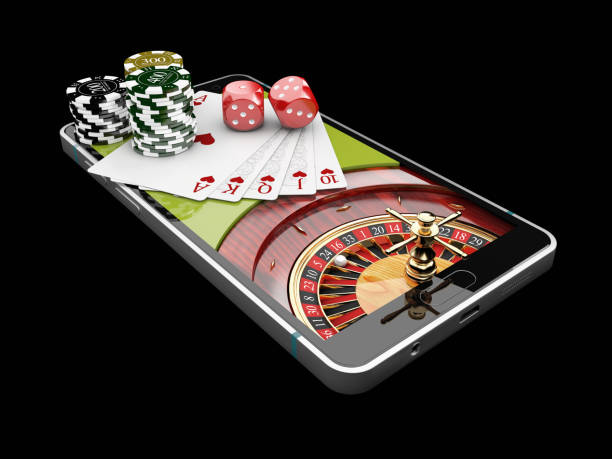
The psychology behind casino gambling is anchored in the thrill of risk and the potential for reward. Players are often attracted to the excitement that comes with placing bets, which can evoke feelings of euphoria and adrenaline. This sensation is heightened by the promise of winning, creating a compelling psychological push that drives individuals to engage repeatedly in gambling activities. In this context, some players may turn to online casinos to seek out even more gambling opportunities, further fueling their enthusiasm. The interplay between chance and skill also adds to the intrigue, making the outcome of each game unpredictable and thus, more enticing.
Moreover, the concept of near-misses can significantly impact a gambler’s behavior. When a player comes close to winning, such as landing on a jackpot symbol just shy of a payout, it can lead to a surge of optimism. This psychological phenomenon fosters a belief that winning is imminent, prompting gamblers to continue playing in hopes of hitting a big score. This cycle of desire and reinforcement plays a critical role in casino gambling choices.
The Role of Social Influence
Social dynamics are a powerful force in shaping gambling behavior. Casinos are designed to be social environments, filled with others who share similar interests in gaming. This sense of community can amplify the desire to gamble, as players often seek validation and camaraderie. Observing others win or celebrate can create a powerful psychological urge to participate, leading individuals to make choices they might not usually consider if gambling alone.
Furthermore, peer pressure can manifest in various ways, from friends encouraging one another to take risks to the general atmosphere of excitement within a crowded casino. This social context may prompt individuals to take greater risks, often leading them to extend their playtime and wager amounts beyond their initial limits. The collective energy in such environments can significantly influence decision-making processes, making social influence a critical factor in gambling behavior.
The Impact of Cognitive Biases
Cognitive biases play a substantial role in how individuals make gambling choices. One common bias is the illusion of control, where gamblers mistakenly believe they can influence the outcome of games of chance through skill or strategy. This misconception can lead to irrational choices, such as playing longer or betting larger amounts, as players feel they have an upper hand that influences results. Such biases can distort perceptions of reality and foster addictive gambling behaviors.
Additionally, confirmation bias often drives individuals to focus on their wins while disregarding losses. This skewed perspective reinforces the gambler’s belief in their luck, which can perpetuate a cycle of continuous play. As players recount stories of their victories and conveniently forget their defeats, they further entrench themselves in the gambling culture, lessening their ability to make rational decisions about future bets.
The Role of Environment and Design
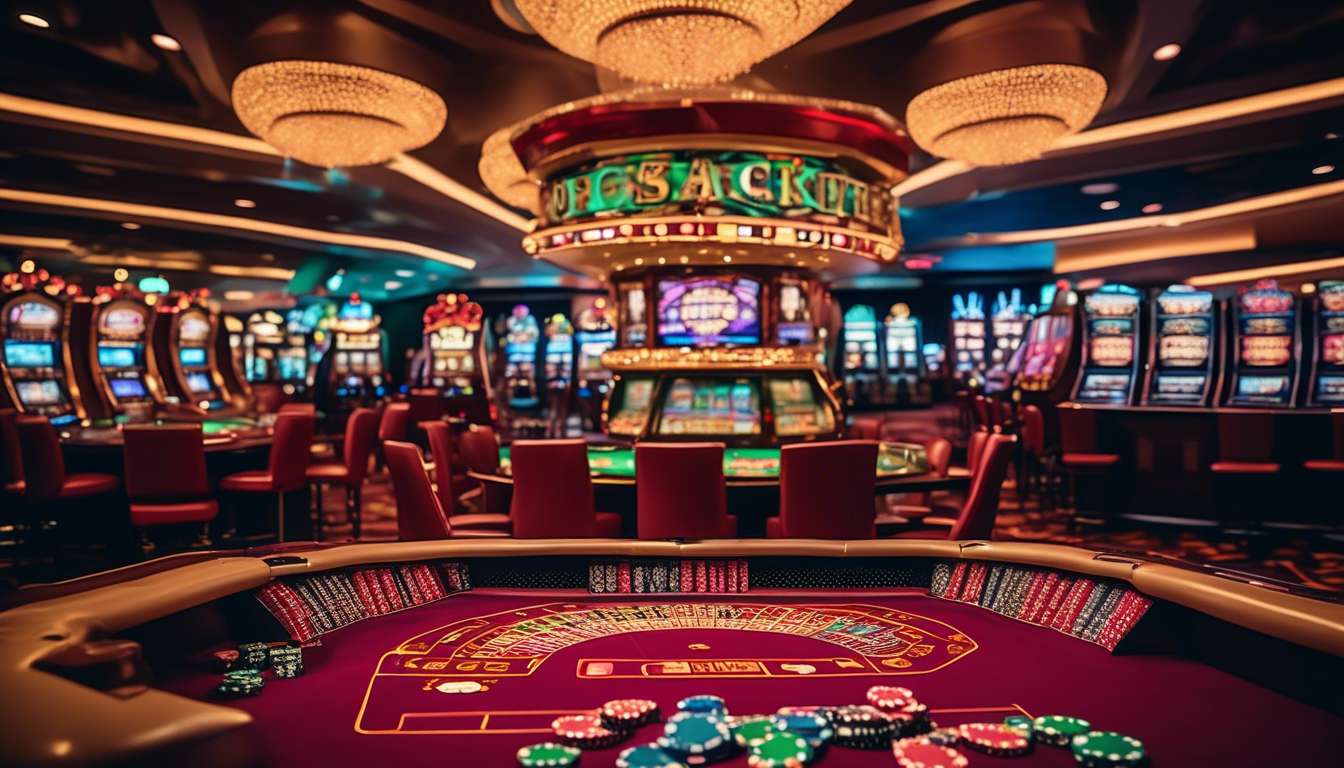
The design of casinos is meticulously crafted to enhance the gambling experience and manipulate psychological responses. From the moment a player enters, they are enveloped in an atmosphere designed to evoke excitement and escape. The use of bright lights, engaging sounds, and comfortable seating can create a sense of euphoria that encourages extended play. These elements are carefully curated to maximize a player’s time and investment within the casino, making it challenging to leave.
Moreover, the layout of games and the positioning of high-stakes tables are intentionally planned to entice players. When individuals observe others winning nearby, they are more likely to engage with those games, often influenced by the excitement surrounding them. This strategic use of environment plays a crucial role in driving gambling behavior, subtly nudging patrons towards making riskier decisions.
Final Thoughts on Casino Gambling Choices
Understanding the intricacies of casino gambling choices extends beyond examining individual behavior; it encompasses a comprehensive view of psychological, social, and environmental factors. By recognizing the influence of risk versus reward, social dynamics, cognitive biases, and casino design, we can gain crucial insights into why people are drawn to gambling and what decisions they make within these spaces.
At PlasticPolice.com.au, we are dedicated to enhancing your online experience by ensuring secure connections while you navigate the web. Recognizing the psychological motivations behind casino gambling can help individuals make informed choices, and our commitment to web safety complements this understanding. Join us in promoting a secure and informed environment for all users as they explore their interests online.